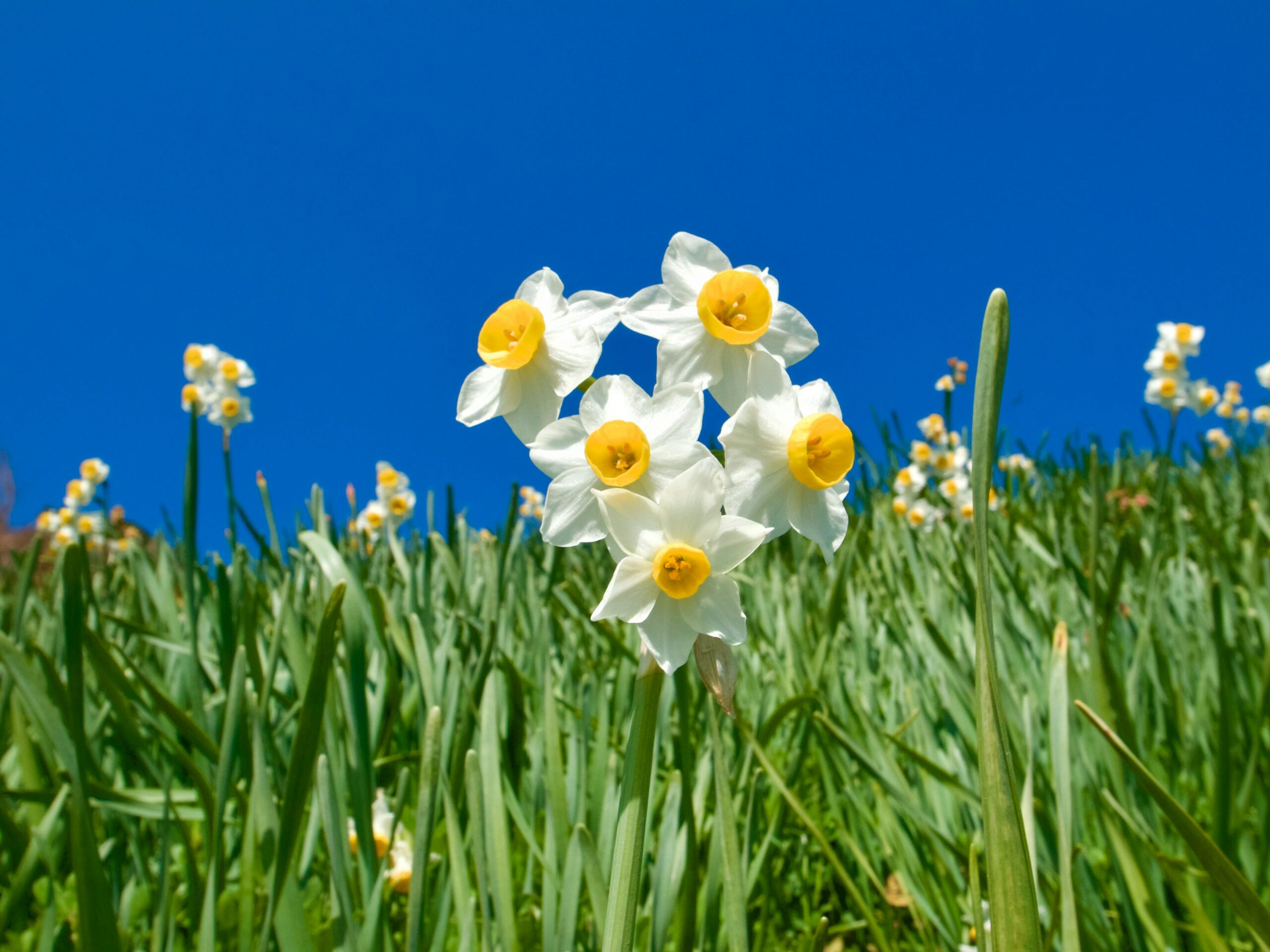
With spring now in full bloom, there is no better time to learn about the plants that thrive this season. It is also a great opportunity to learn how to make sure they thrive to help create a beautiful garden. Here are some plants and tips on how to make them succeed:
- Lavender
Lavenders are known for their calming scent and purple blooms. They are typically used in garden borders or a hedge. To make sure it survives, give it plenty of sunlight and well-drained soil. Additionally, regular pruning of lavender encourages dense growth and increased flowering.
- Peony
The peony, known for blooming in late spring, captivates many with their fragrant blooms, lush foliage, and stunning display of color. The main thing to do is make sure peonies have well-drained soil to prevent root rot. Other than that, there is fairly little maintenance for the plant, although it is recommended to cut back foliage in the fall to allow for healthy growth.
- Daylily
The daylily offers a huge explosion in color during the growing season, even though each bloom only lasts a day. These plants thrive in various conditions, making them perfect for a movie gardener. The most important thing to do is make sure that daylilies have well-drained soil and benefit from regular deadheading to encourage more blooming.
- Black-eyed Susan
Black-eyed Susans are known for their colorful yellow petals and their contrasting dark centers. They mainly thrive in full sunlight and can be planted in various soil types. They are low maintenance, only requiring watering occasionally once introduced to the soil. They also play a vital role in plant ecosystems, attracting both butterflies and bees.
- Beebalm
Beebalms are known for their colorful flowers and aromatic leaves. They can thrive in both full sunlight and partial shade, and grow well in moist, well-drained soil. Regular deadheading encourages blooming, and dividing clumps of Bee balm maintains the plant’s vigor.
- Daffodil
Daffodils have trumpet-shaped heads and colorful petals that signal the beginning of the spring season. Although they typically present the colors of yellow or white, daffodils can also showcase shades of pink, orange, red or green. Once they are planted in a sun-lit area in the fall, simply sit back and watch them grow in the spring.
- Grape hyacinth
Grape hyacinths resemble the shapes of grapes (hence the name) and give off a mildly sweet aroma. They can also multiply rapidly across a garden, creating multiple patches of grape hyacinths. They simply need to be planted in soil in the fall that gets lots of sunlight. It is also to make sure they are inaccessible to pets, since grape hyacinths are toxic to animals.
- Crocus
The Crocus plant blooms in a cup shape and gives off the scent of honey. They are also some of the first spring flowers that will be spotted in a garden. They require full sunlight to partial shade to grow. As an important sidenote, rodents tend to dig up crocus seeds and spread them around, so they may appear in unexpected places if not maintained.
- Forsythia
Forsythias have bright yellow petals and grow to various heights. Some forsythia may only grow a few feet, but they can reach heights of up to ten feet. It is best to plant them in direct sunlight in the fall to see them bloom in early spring.
- Lilac
Lilacs form cone-shaped clusters made of four-petal flowers. They come in multiple shades of white, purple, pink, blue, or yellow. Lilacs are incredibly easy to plant, only requiring full sunlight in early spring or in the fall before everything freezes over. They are also excellent pollinator flowers, attracting bees to their location.